


Dragonsweeper
What is Dragonsweeper?
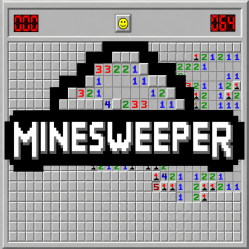
Dragonsweeper is a puzzle strategy game inspired by classic Minesweeper, but with a fantasy twist. Instead of simple mines, you’re dealing with hidden dragons, traps, and risky tiles that require logic and memory to survive.
Unlike many typical puzzle games that feel random, Dragonsweeper rewards careful thinking, pattern recognition, and risk management. Every move matters, and one wrong click can end your run.
How to Play
Quick Start
Objective: Clear the board by revealing safe tiles while avoiding dragons.
Controls: Click or tap tiles to reveal what’s underneath.
Core loop: Use numeric clues to predict where dangerous dragons are hidden and gradually clear the map.
It looks simple at first, but the difficulty ramps up fast as the board becomes more complex.
Tips & Strategy
Here are real gameplay-tested tips to help you survive longer:
1. Start from the corners, not the center
Corners usually give safer early clues and reduce random guessing.
2. Treat every number as a warning radius
Don’t just read numbers—map them mentally to surrounding tiles.
3. Avoid “panic clicking” when stuck
Many losses happen from rushed guesses. Pause and re-check patterns.
4. Mark high-risk zones early
If a tile feels uncertain, mentally flag it and come back later instead of forcing it.
5. Follow chain logic, not isolated tiles
The biggest mistake is solving one tile at a time instead of reading connected patterns.
Pro insight: Most players lose not because the game is hard but because they ignore pattern chains and rely on guessing too early.
Experience
Playing Dragonsweeper feels like a mix between a logic puzzle and survival tension. The game creates constant pressure because one mistake can reset your progress.
From actual gameplay experience:
Early game feels calm and predictable
Mid-game becomes a logic puzzle challenge
Late game turns into high-risk deduction under pressure
Compared to classic Minesweeper, Dragonsweeper is more engaging because it adds a fantasy layer and higher decision stress, making each move feel meaningful.
Strengths:
Highly addictive puzzle loop
Strong tension and reward system
Easy to learn, hard to master
Weakness:
Can feel punishing for new players who rely on guessing instead of logic